
Cat6 and Cat6a data cabling
Data drops for desks, printers, phones, cameras and access points, terminated on a patch panel and jacks, tested and labelled. Cat6 for 1 Gbps and PoE, Cat6a for 10 Gbps and Wi-Fi 6E and 7.
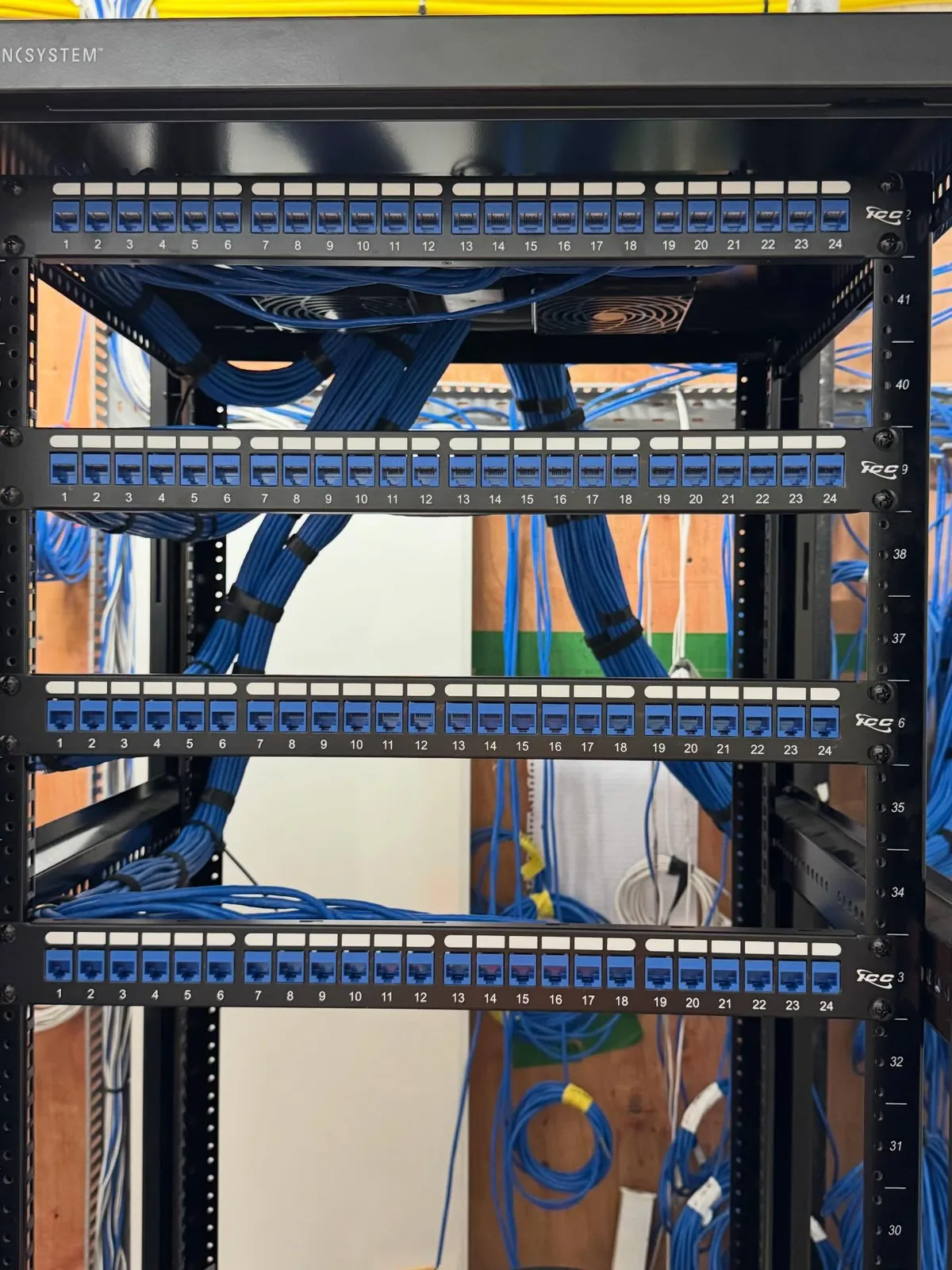
Office fit-outs on Bay Street, studios in King West, restaurants on Queen, condos with one dead room and warehouses in Etobicoke: network cabling in Toronto means working in finished ceilings, heritage walls and tight schedules. We pull, terminate and certify Cat6, Cat6a and fibre across the city, after hours when the building needs it.
Structured cabling, Cat6 and Cat6a data drops, fibre optic cabling, racks and patch panels. Every drop Fluke certified.
One cabling contractor for data, fibre, cameras, access control and Wi-Fi. Every service below ends with a labelled panel, a Fluke report and a drawing.
Data drops for desks, printers, phones, cameras and access points, terminated on a patch panel and jacks, tested and labelled. Cat6 for 1 Gbps and PoE, Cat6a for 10 Gbps and Wi-Fi 6E and 7.
Wall cabinets and floor racks, patch panels, cable management, PoE switches and UPS, with every port labelled to match the jack and the drawing.
Single-mode and multimode OM4 fibre between buildings, floors and racks, fusion spliced, terminated on LC panels and tested with an OTDR or light meter.
Cat6 to every camera, reader, intercom and door controller, PoE from the rack, run from lifts in warehouses and through finished ceilings in offices.
Cat6 or Cat6a to ceiling and outdoor access points, placed from a heat map, so Wi-Fi gets wired backhaul instead of a mesh relay.
New offices cabled during construction with the electrician, or recabled after a move, with as-built drawings and a tested panel on day one.
Long runs in conduit and J-hooks, column cabinets, fibre between buildings, lift work around shifts, cable rated for the environment.
Cat6 to the TV, office, consoles and access points in finished houses, fished through walls with no drywall damage where the structure allows.
Untangle a rack, re-terminate failed jacks, certify an inherited installation, and label and document what is there.
Pulling Cat6 for a commercial project, 11 kilometres of cable in one plant, a full network build. The same crews come to Toronto.
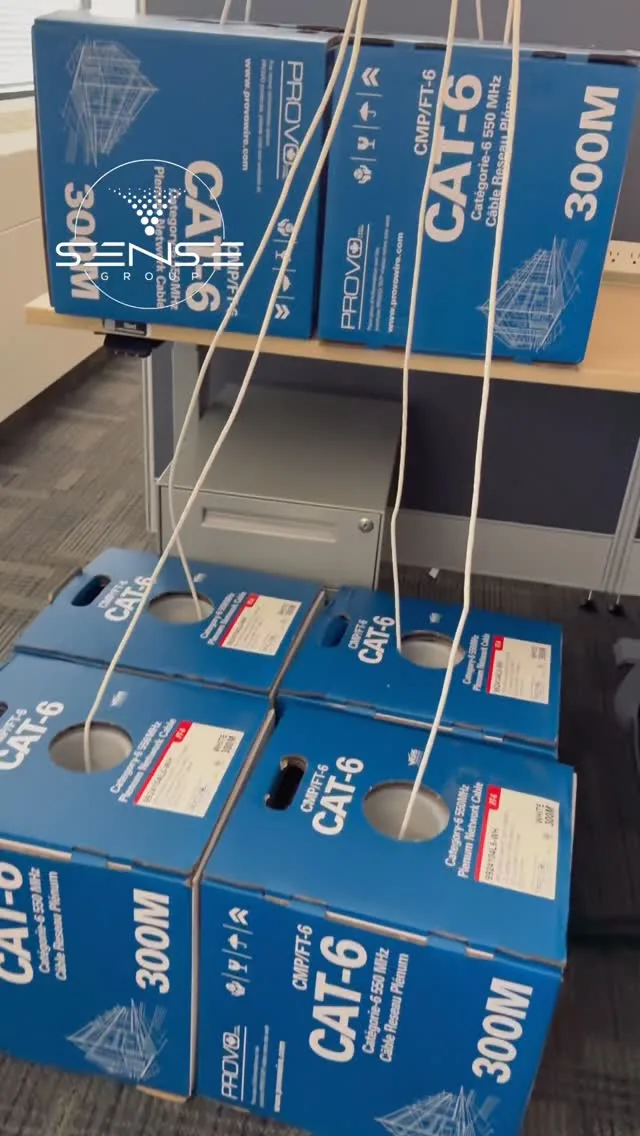
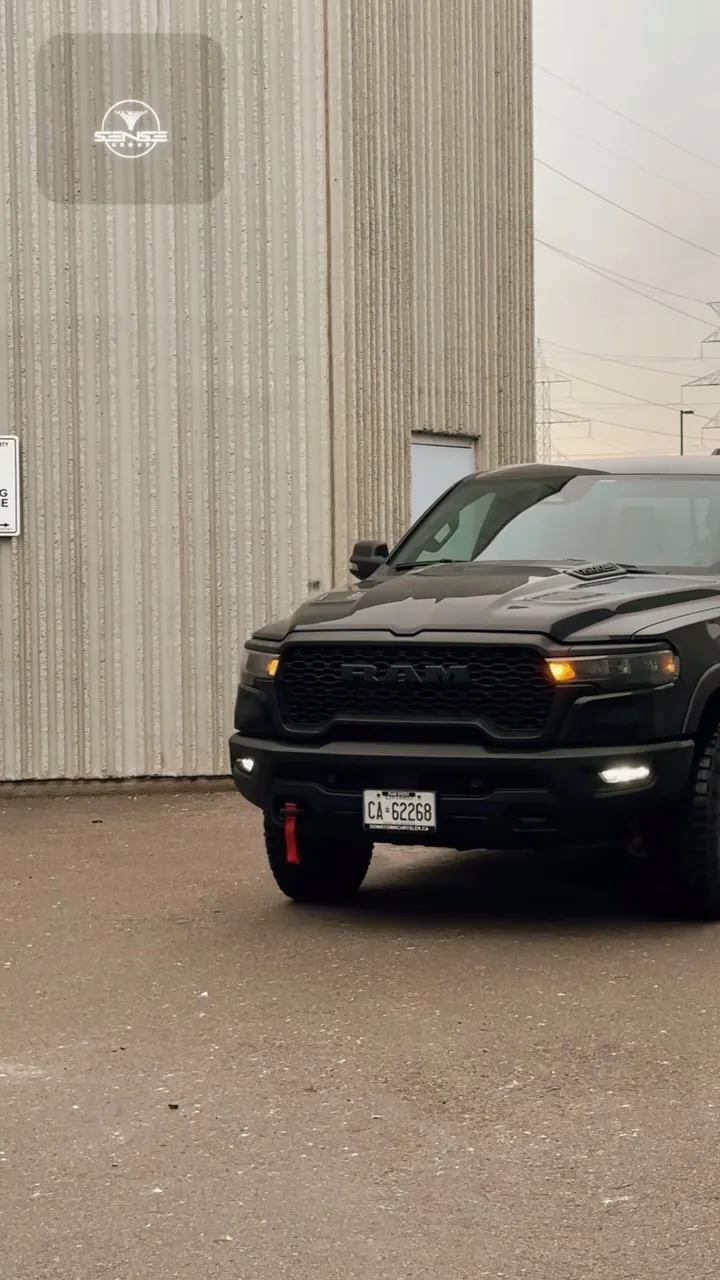
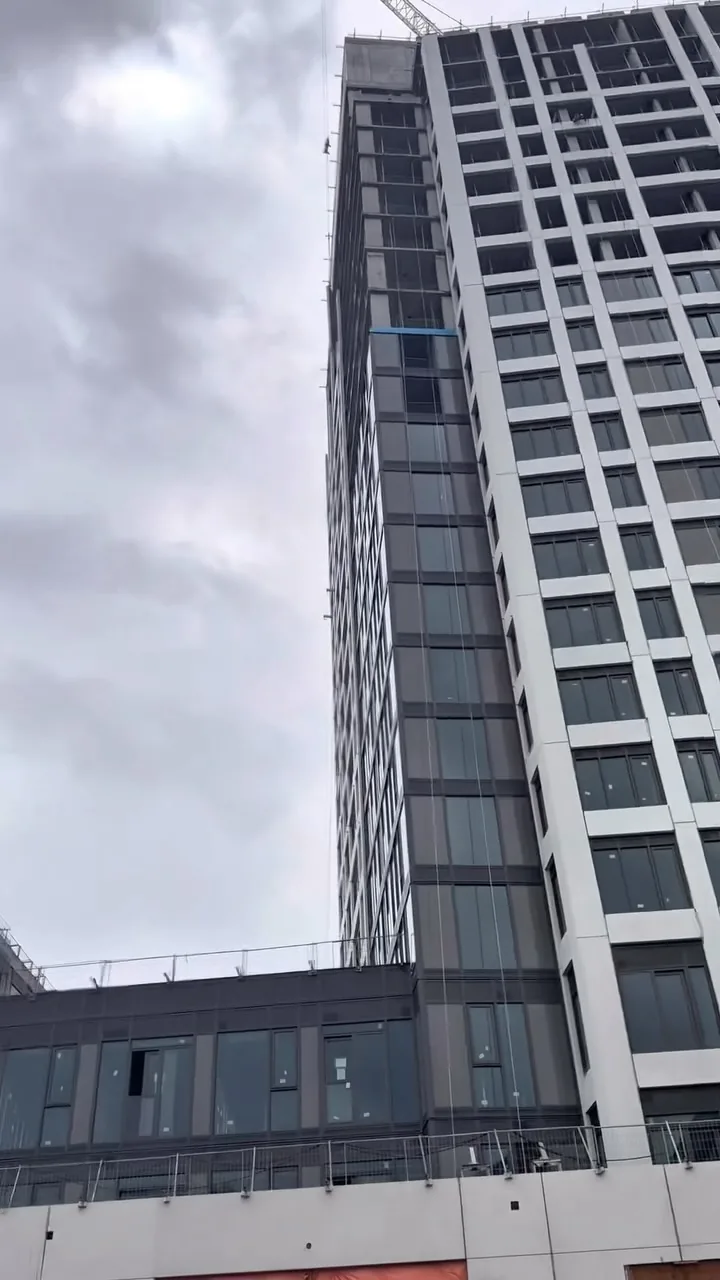

Videos play from YouTube's privacy-enhanced player only when you press play. See all our videos on YouTube.
The category decides speed, distance and how long the installation stays useful. This is how we choose, and what we recommend in 2026.
| Cable | Speed and distance | Power | Best for | Our take |
|---|---|---|---|---|
| Cat5e | 1 Gbps to 100 m | PoE, PoE+ | Existing installs, phones | We test and reuse sound Cat5e; we no longer install it new |
| Cat6 | 1 Gbps to 100 m, 10 Gbps to 55 m | PoE++ (90 W) | Desks, cameras, access points, homes | The standard drop in 2026, best value for most sites |
| Cat6a | 10 Gbps to 100 m | PoE++ with less heat | Wi-Fi 6E and 7 APs, servers, clinics, new offices | What we recommend for anything you will not touch for 15 years |
| Multimode OM4 fibre | 10 to 100 Gbps to 400 m | No power | Between racks and floors, camera backbones | Cheaper optics, shorter reach |
| Single-mode fibre | 10 to 100 Gbps to 10 km+ | No power | Between buildings, campuses, farms, long runs | The only answer past 100 m of copper |
Copper is limited to 90 metres of permanent cable regardless of category. Past that we run fibre or add a rack. Cat6a costs $30 to $60 more per drop than Cat6 because the labour is identical.
A "drop" is a quoted unit on every cabling estimate. This is what is inside ours, from the jack on the wall to the port on the switch.
Racks, patch panels, backboards and pathways from our own jobs, not stock photos. The technicians in these pictures come to Toronto.
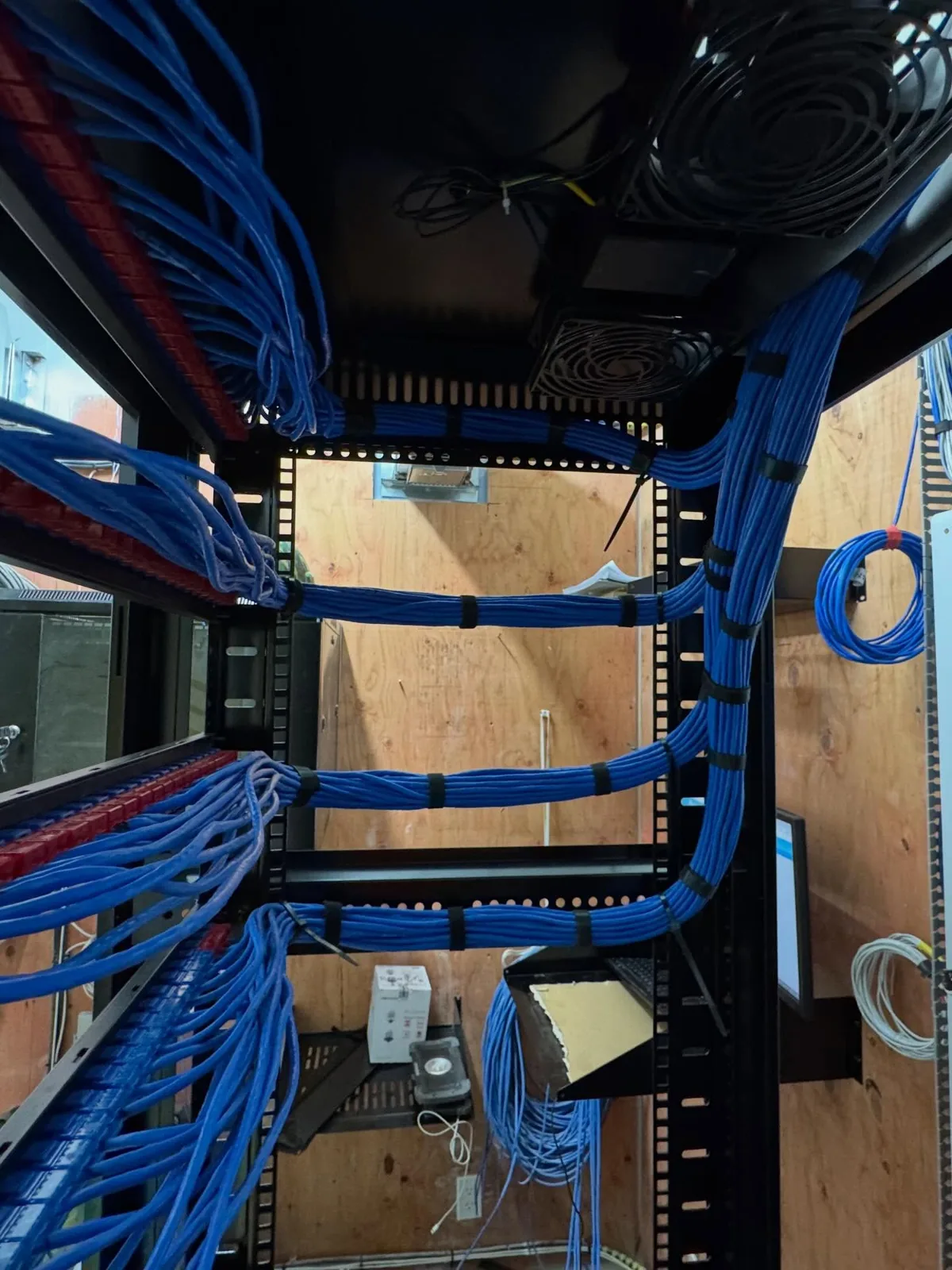
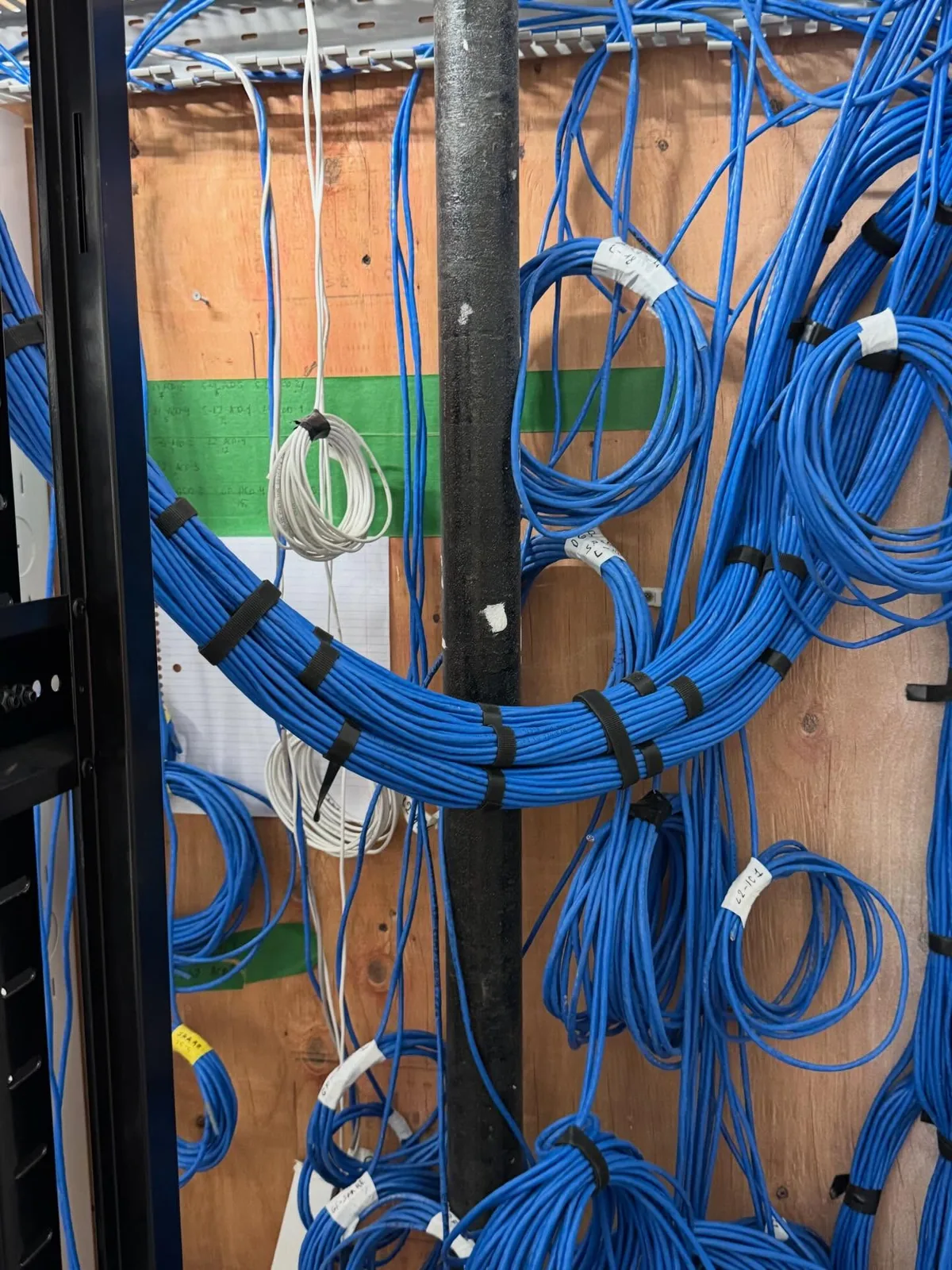
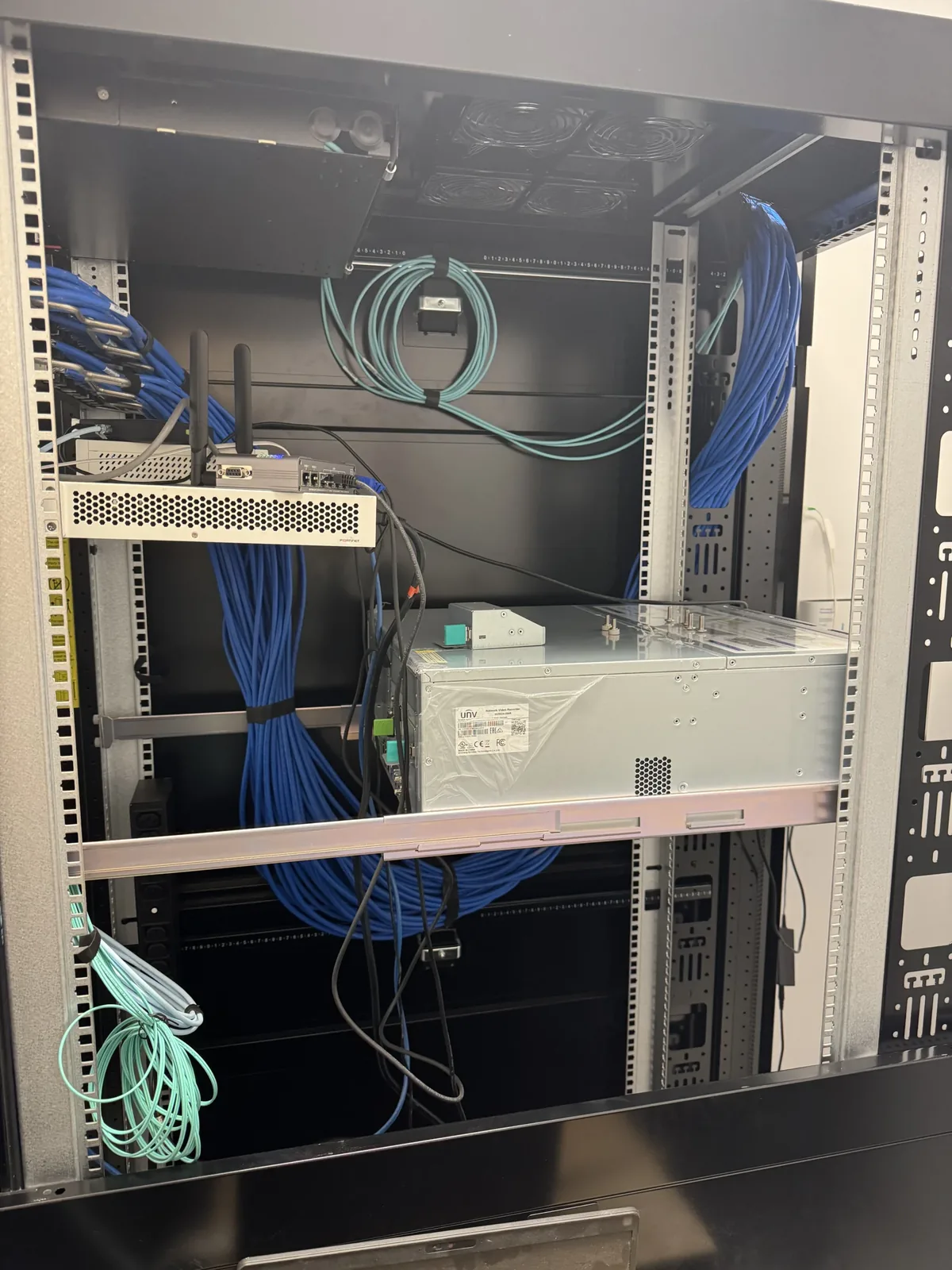
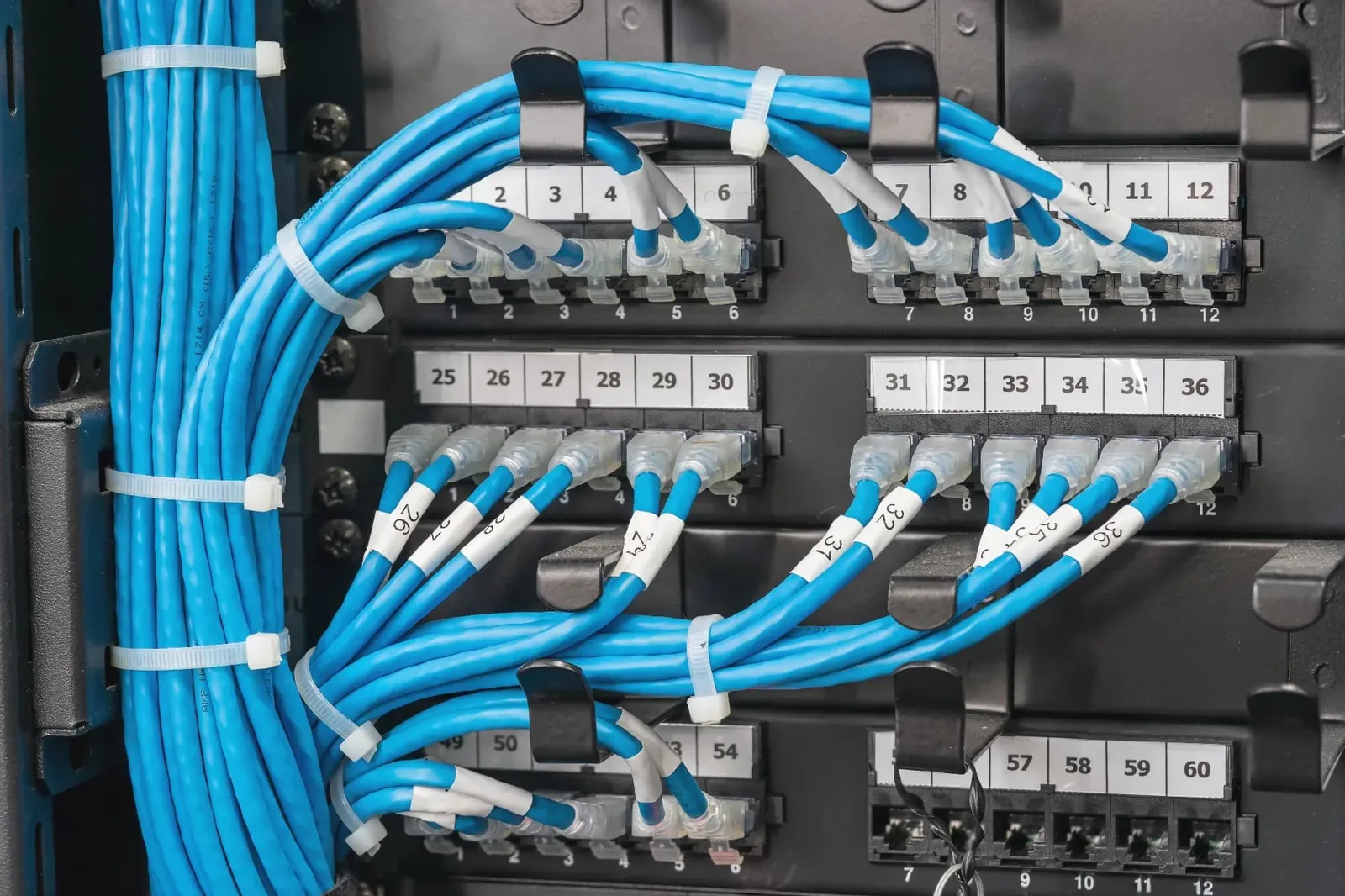
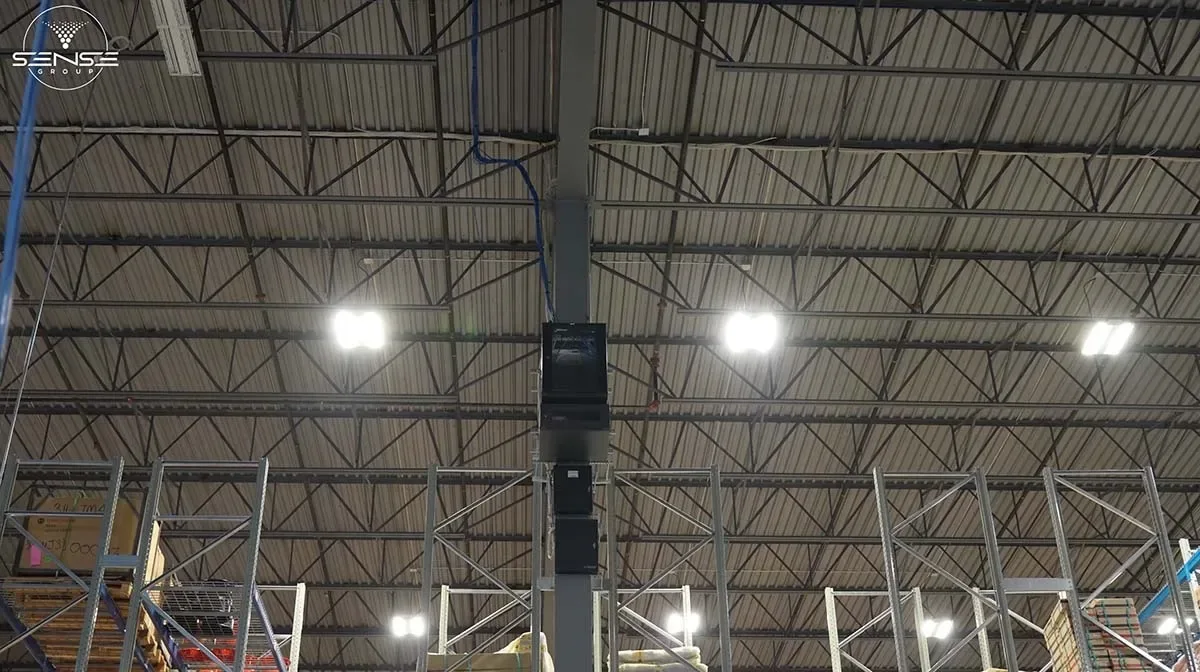
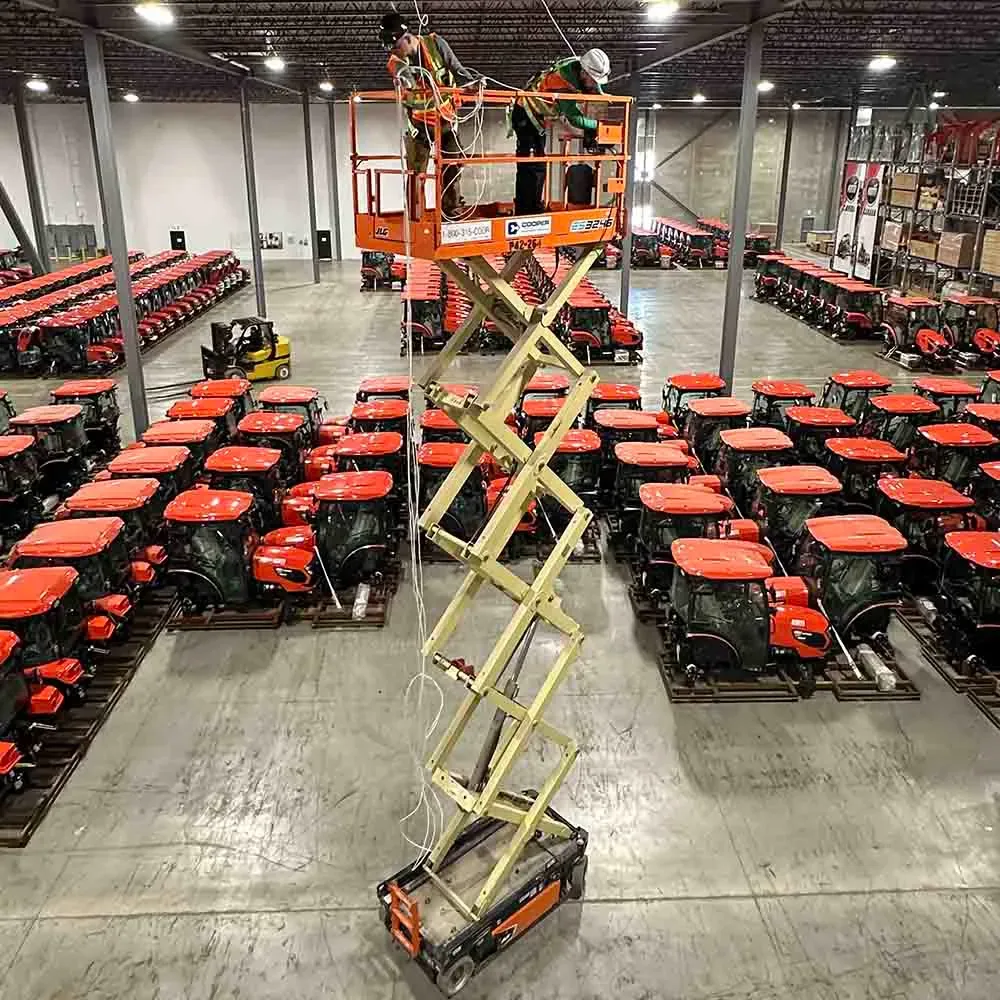
Installed and certified prices in Canadian dollars. The per-drop price falls as the count rises because the rack, the pathways and the setup are shared. Installed and certified, including cable, jacks, faceplates, panel terminations, labelling and the Fluke report. Conduit, core drilling, trenching and after-hours work are quoted per job.
| Work | Installed price |
|---|---|
| Cat6 data drop, 1 to 5 drops, finished office or home | $180 to $260 per drop |
| Cat6 data drop, 6 to 25 drops | $140 to $200 per drop |
| Cat6 data drop, 26 to 100 drops, open ceiling | $110 to $160 per drop |
| Cat6a data drop, add per drop | $30 to $60 |
| Long or lift runs, warehouse, per drop | $200 to $400 |
| Patch panel, rack and cable management, per 24 ports | $450 to $900 |
| Fibre backbone between racks or buildings, 12-strand | $1,800 to $6,500 |
| Testing and certification of existing cabling, per drop | $15 to $30 |
Cabling disappears into the ceiling the day it is finished. These are the things that make it findable, provable and warrantable ten years later.
Wi-Fi access points on the same cabling · Security cameras in Toronto
Six steps. A few drops take half a day; an office of twenty to forty drops one to two days, often after hours; plants and multi-floor buildings are phased.
We walk the space, count and place the drops with you, check pathways, ceilings and the rack location.
Cable category, pathways, panel, rack and testing listed, with a per-drop price that drops as the count rises.
Cable pulled on J-hooks or in conduit, separated from power, bundled and dressed into the rack with bend radius respected.
Jacks and panel punched to T568B, every end labelled to the drawing, faceplates and rack cleaned up.
Every drop tested on a Fluke DSX, failures re-terminated, report exported.
As-built drawing, test reports, photos and the port map, plus the installer's number.
Ethernet wiring is a different job in a drop ceiling, a high-bay warehouse, a condo riser and a finished house. We do all of them.
Fit-outs, relocations and recabling: desks, phones, printers, APs, cameras and the server room, after hours.
Long runs, column cabinets, fibre between buildings, camera and scanner cabling from lifts around shifts.
Point-of-sale, kitchen displays, cameras, music and Wi-Fi on clean cable before opening day.
Classroom drops, AV and streaming cable, cameras and intercoms, done over breaks.
Riser and suite cabling, common-area Wi-Fi and camera runs, with property management approvals.
Ethernet to the office, TV and access points, fished through finished walls, and buried runs to the garage, barn or dock.
Three kinds of Toronto property keep our cabling crews busy. Each one gets different cable, pathways and racks.
Cat6a to every desk and meeting room, fibre to the riser, a rack with patch panels and PoE switches, certified and documented before move-in, built after hours with landlord approvals.
Camera, access point and point-of-sale drops hidden in finished ceilings and heritage walls, a wall cabinet in the back, every drop tested.
Long runs on J-hooks and in conduit, column cabinets, fibre between buildings, camera cabling from lifts around shifts.
Anyone can pull a cable. Fewer certify every drop, label every end, draw it, and come back when the next contractor opens the ceiling.
Cameras, access control, Wi-Fi and Starlink all ride on cable we pulled. We have run 11 km of Cat6 in one building and a single drop in a condo, to the same standard.
A continuity tester says the pairs connect. A Fluke DSX certifies the drop passes Cat6 or Cat6a to the metre and the decibel, and you get the report.
Jack numbers, panel ports, pathways and photos before the ceiling closes. The next IT person thanks you.
The people who quote the job pull the cable, licensed and insured, and the same crew installs the switch, the cameras and the access points.
After hours and weekends in offices, between shifts in plants, alongside the trades on new builds. Nobody loses a day of work.
Terminations, pathways and labelling covered for three years. Manufacturer warranty on the cable and the hardware.
From our 156 Google reviews.
I have hired this company twice now, and so I feel I can highly recommend! The work is extremely well completed and professional, if these are the qualities you look for then do not hesitate to use them.
One of the best technology based service calls I've experienced. Arrival was on time, work was very professional, the installer knew what he was doing and the job was completed in short order.
We couldn't be happier with this service. From the booking process to installation, everyone we dealt with was so professional. Highly recommend!
Cost per drop, Cat6 versus Cat6a, distance limits, certification, finished walls, permits and fibre. If yours is not here, call us.
Yes, most of our downtown work happens Friday evening to Monday morning. We handle the property manager's insurance and access requirements, work from the landlord's riser rules, and hand over a certified panel before staff arrive.
Yes. Lath and plaster, brick and old chases are routine. We fish Cat6 through closets, behind baseboards and along existing stacks, and tell you before we start anywhere a small access hole will be patched.
Typically $5,600 to $8,000 for certified Cat6 drops, plus the rack, patch panels and any fibre to the riser. Cat6a adds $30 to $60 per drop. The site walk turns that into a fixed per-drop price.
A certified Cat6 data drop is $180 to $260 in a finished office or home when there are only a few, $140 to $200 for six to twenty-five, and $110 to $160 for larger open-ceiling jobs. Cat6a adds $30 to $60 per drop; long warehouse runs from lifts are $200 to $400. Every price includes the cable, jack, faceplate, panel termination, labelling and the Fluke report.
Cat6 for most desks, cameras and access points today: 1 Gbps to 100 metres and 10 Gbps to 55 metres. Cat6a for anything you will not want to touch for fifteen years: 10 Gbps to the full 90 metres, Wi-Fi 6E and 7 access points, clinics, server rooms and new offices. The labour is the same, so the difference is only the cable and jacks.
A planned cabling system rather than a tangle of cables added one at a time: horizontal cable from every jack to a patch panel, a backbone between panels and floors, a rack, labelling and documentation, all to the TIA-568 standard. It is what lets you move a desk, add a camera or change a switch without pulling new cable.
90 metres of permanent cable plus 10 metres of patch cords, 100 metres in total, for any category of copper. Past that we install a second rack or run fibre. Warehouses and estates usually need fibre between buildings for that reason.
Yes, every drop, on a Fluke DSX certifier, not a continuity tester. The report shows length, wire map, insertion loss, crosstalk and return loss against the Cat6 or Cat6a limits, and you receive it as a PDF with the as-built drawing.
Usually. We fish through drop ceilings, walls, closets and existing chases, use surface raceway where a wall is solid, and tell you before we start anywhere a small access hole will be needed and patched.
Low-voltage data cabling does not need an electrical permit in Ontario, but it must follow the building code for plenum and riser cable and fire-stopping, which we do. Where a new electrical circuit is needed for a rack or a PoE switch, an ESA-licensed electrician does that part.
Yes, and it is the cheapest time to do it. We work from the architect's drawings with the electrician, rough in before drywall, terminate after paint, and hand over a certified panel before move-in.
Often. We test the existing drops, keep what certifies to Cat5e or Cat6, re-terminate what fails on a bad jack, and replace only what is damaged or too slow. Testing costs a fraction of recabling.
Yes. Multimode OM4 between racks and floors, single-mode between buildings, across yards and farms and down to boathouses, fusion spliced and terminated on LC panels, tested with a light meter or OTDR.
Yes. All three run on Cat6 with PoE from the rack. We plan the drops together so the camera, the reader and the access point share pathways and the same patch panel, which is cheaper than three separate installs.
A few drops in a home take half a day. An office of twenty to forty drops takes one to two days, often after hours. Warehouses and multi-floor buildings are phased; we tell you the schedule with the quote.
Our workmanship, terminations, pathways and labelling are covered for three years. Cable and hardware carry the manufacturer's warranty, and we handle the claim.
Multimode OM4 inside a building, between racks and floors up to a few hundred metres, because the optics are cheaper. Single-mode between buildings, across a yard or farm, or anywhere a run passes 500 metres, because it carries 10 Gbps and more for kilometres. We often pull both in a backbone conduit so the choice is never final.
FT4 riser-rated cable is right for most walls, closets and vertical shafts. FT6 plenum-rated cable is required wherever cable runs through a space that moves air, such as the ceiling return plenum in many offices and clinics. We check the building before quoting so the inspector and the landlord have nothing to flag.
Rarely, and never without asking first. Most runs fish through the ceiling, closets, basements and existing chases. Where a wall has fire blocking or insulation we may need a small access hole, which we cut cleanly and patch, or we offer a surface raceway so nothing is opened.
Mesh nodes share the air with everything else, so a 4K TV, a game console or a work PC on mesh gets a fraction of its speed and adds lag. One Cat6 run to each of those gives a full gigabit, frees the Wi-Fi for phones and tablets, and lets the mesh nodes themselves use wired backhaul, which doubles their performance.
Yes. We supply the insurance certificate and WSIB clearance, book riser and freight elevator access, follow the building's after-hours rules, fire-stop every penetration and remove abandoned cable the way the Ontario Building Code and most property managers now require.
We cover the whole region from our base in King City. Nearby cabling pages:
Tell us the building, roughly how many drops, what they feed and where the rack would go. A floor plan helps. We walk the site, count the drops with you and send a fixed price per drop, usually within two business days.