
Process and quality disputes
When a batch, weld or assembly is questioned, line cameras show what happened on which shift. Footage ends arguments and shortens investigations.
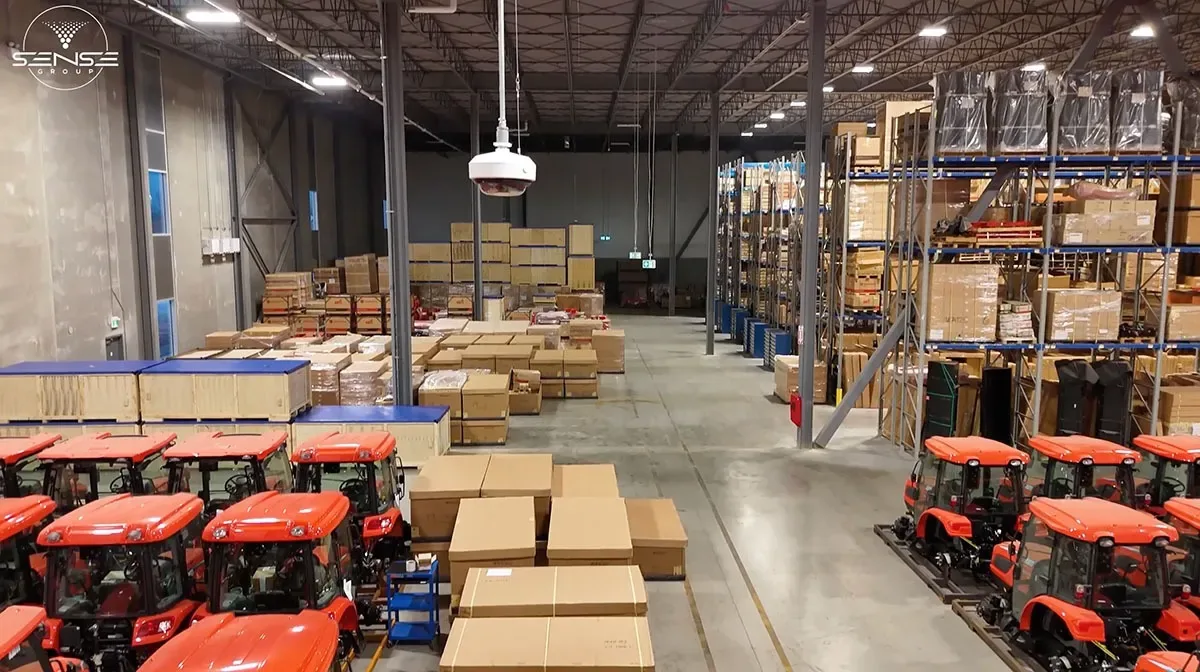
We install security camera systems for manufacturers, food and beverage plants, fabrication shops and processors across the GTA, Hamilton, Kitchener and Guelph: production lines, shipping and receiving, tool cribs, outdoor storage and employee entrances, with cameras rated for heat, dust, vibration and washdown.
Greater Toronto Area, Hamilton, Kitchener, Barrie and Muskoka. Same-week site visits.




Coverage of our Ontario service expansion, November 2025.
A plant is harder on cameras than a warehouse: welding flash, steam, oil mist, forklifts and 24-hour shifts. We specify housings and lenses for each line and yard, mount them out of reach of cranes and lift trucks, and run the system on its own network so it survives the floor and settles quality, safety and theft questions with footage.
Short clips from real jobs on sites like yours: what a clean installation looks like, how we handle a big project, and why we do not compromise on camera quality.
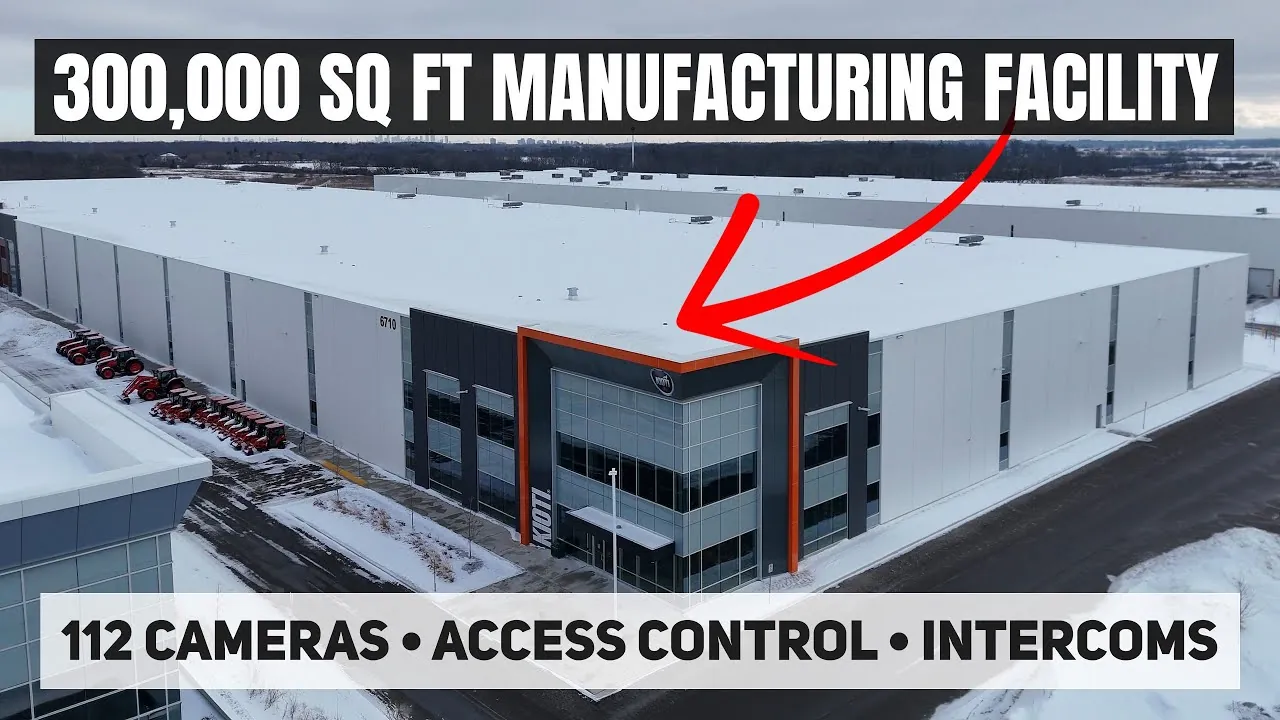
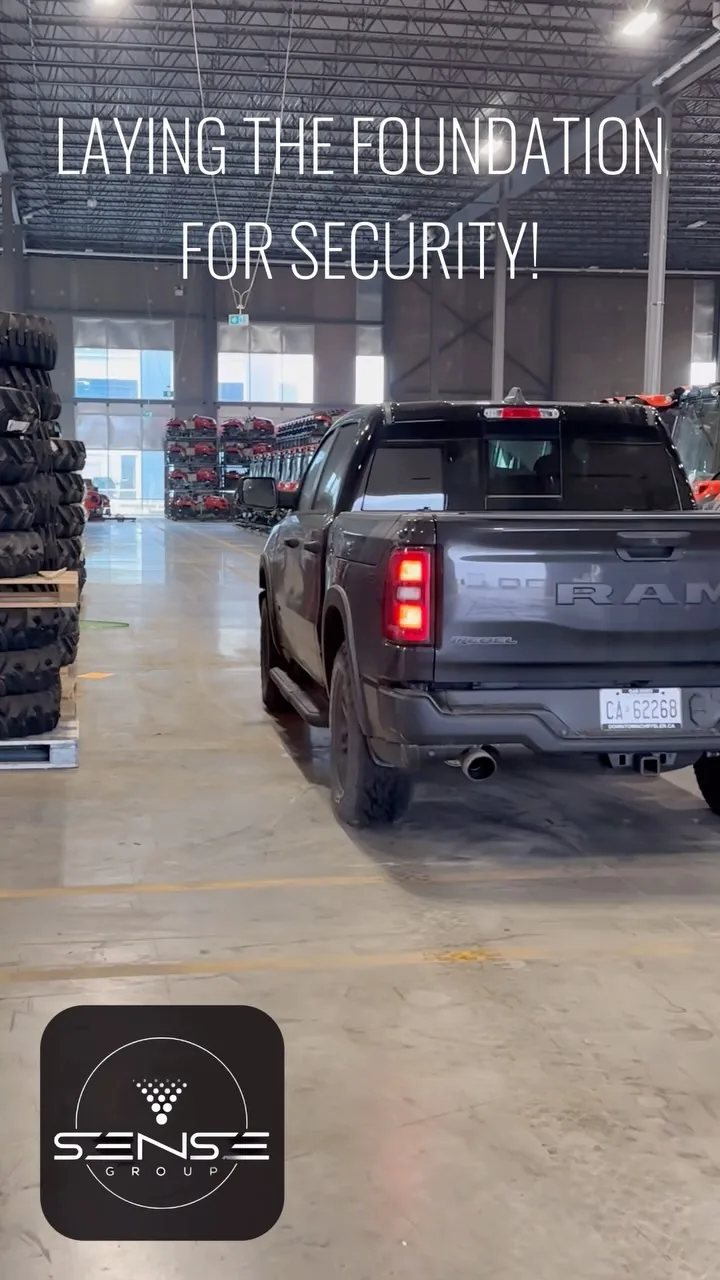
Videos play from YouTube's privacy-enhanced player only when you press play. See all our videos on YouTube.
We start every design with the incidents you actually deal with, then put a camera where each one happens. These are the five we plan for on every plant job.
When a batch, weld or assembly is questioned, line cameras show what happened on which shift. Footage ends arguments and shortens investigations.
Forklift strikes, lockout breaches and falls are investigated with video or with memory. Cameras over traffic lanes and cells provide the record.
Copper, tooling and finished goods leave through back doors and yards. Plate capture, yard PTZ and door cameras make it visible.
Chemical stores, electrical rooms and cells need both access control and a camera that records who entered.
Owners and plant managers want one app for several plants, with user roles for supervisors, HR and security.
A security camera installation plan for manufacturing and industrial plants is a list of positions, not a camera count. This is the coverage plan we start from on the site visit and adapt to your building.
Mounting heights are our field standard: around 3 metres for faces, 4 to 5 for overviews, 6 and up for yards with a narrow lens or a PTZ. Lens choice is set per position during the site visit.
These are the camera types we specify most often for manufacturing and industrial plants, and the positions they earn on a plant plan. We install them from Uniview, Axis, Hikvision, Dahua, Ubiquiti and Verkada depending on the budget and the software you want to live in.
Long-range cameras for fence lines, laneways, gates and large parking lots. Varifocal lenses let us read a plate or a face from 30 metres and beyond.
Our default outdoor camera for storefronts, loading docks and yards. The ball-in-socket design aims easily, the IR sits away from the lens so there is no glare, and the housing shrugs off snow.
One ceiling camera that sees a whole open floor with no blind spot. We use them in packing areas, showrooms and restaurants where wall space is scarce.
Pan, tilt and zoom cameras that follow movement across a warehouse floor or a truck yard. One PTZ with auto-tracking can replace several fixed cameras on a large site.
Cameras that see heat instead of light for perimeter detection in total darkness, fog or snow, and for early fire detection in recycling and storage yards.
Purpose-built cameras that capture plates at entrances, gates and drive-throughs day and night, with the plate number searchable in the recorder.
Vandal-resistant domes for lobbies, corridors, parking garages and retail floors. Nobody can tell where the lens points, and the housing takes a hit without losing the picture.
Beyond the four above and the standard 4K, colour night vision and remote viewing, these are the things a plant system needs that a generic installation leaves out.
Where copper cannot run past 90 metres or across a yard, we use fibre or point-to-point wireless links with tested throughput.
Door events and intrusion alarms pull up video; hazardous rooms get a reader and a camera together.
One console and one app for several plants with role-based access for supervisors, HR and security.
Recorders and switches on battery backup so a power blip during a shift does not lose footage.
Standard on every installation
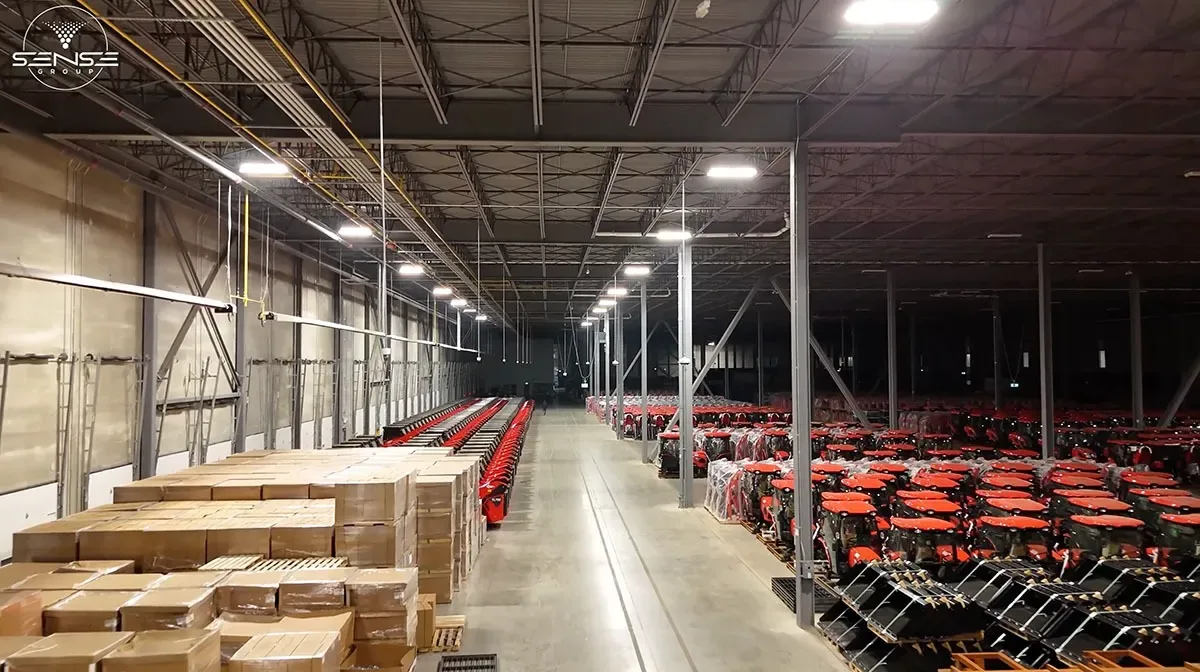
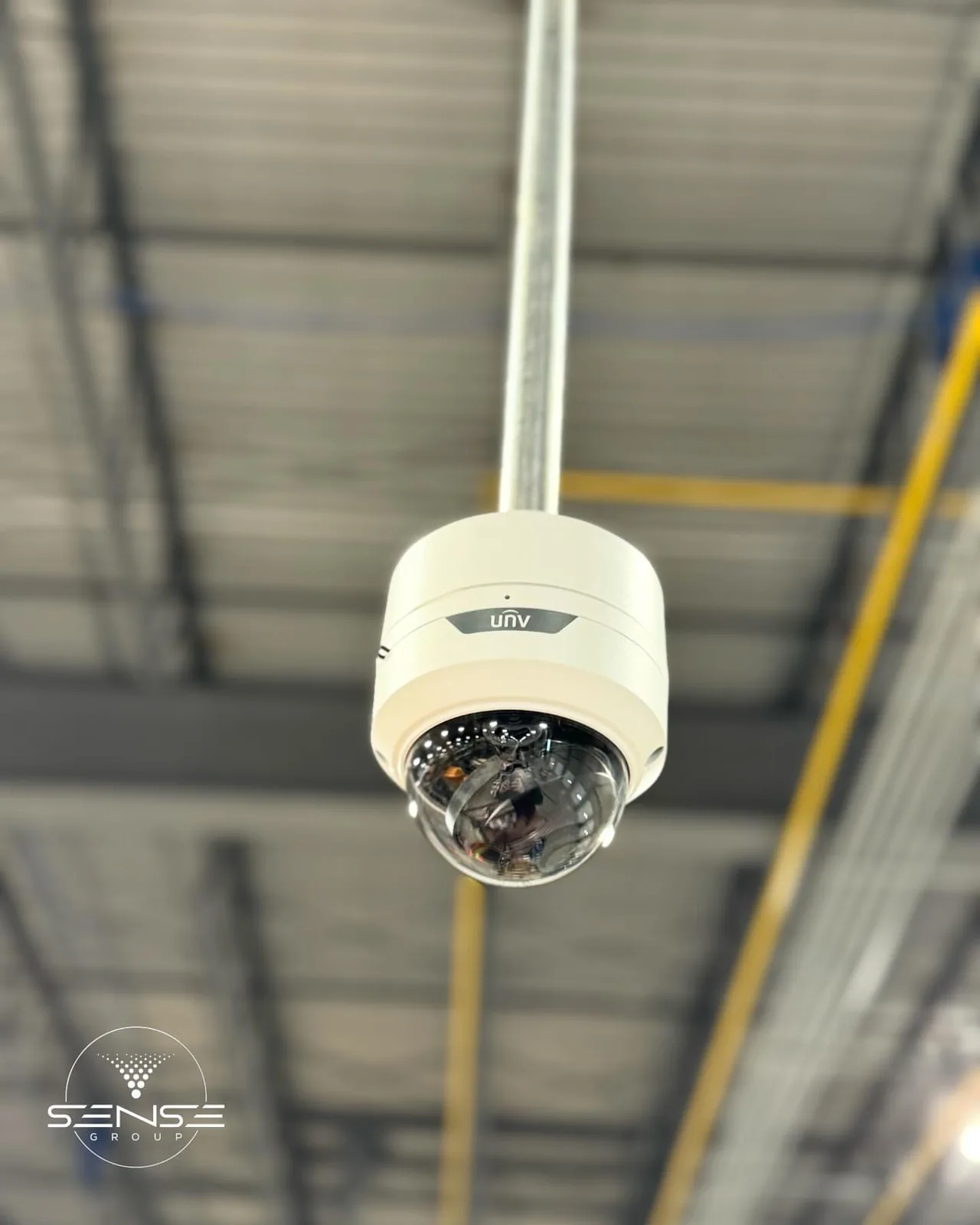
Real photos from our own jobs, not stock images. The technicians in these photos are the ones who will come to your plant.
 Industrial
 Industrial
 Industrial
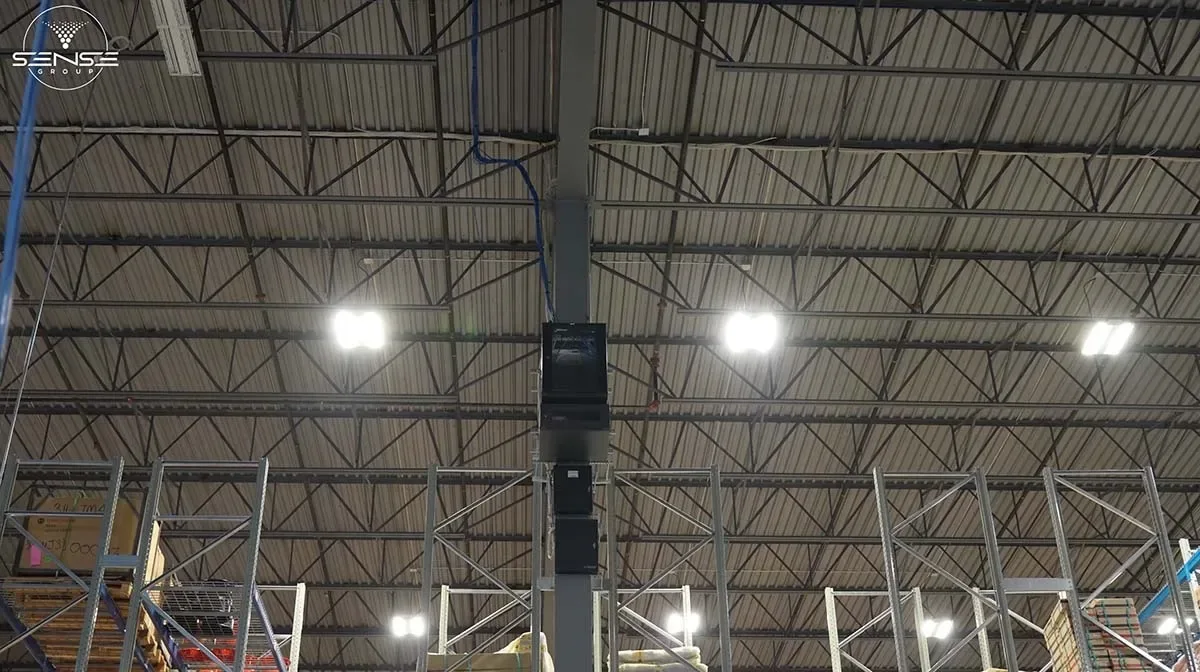 Industrial
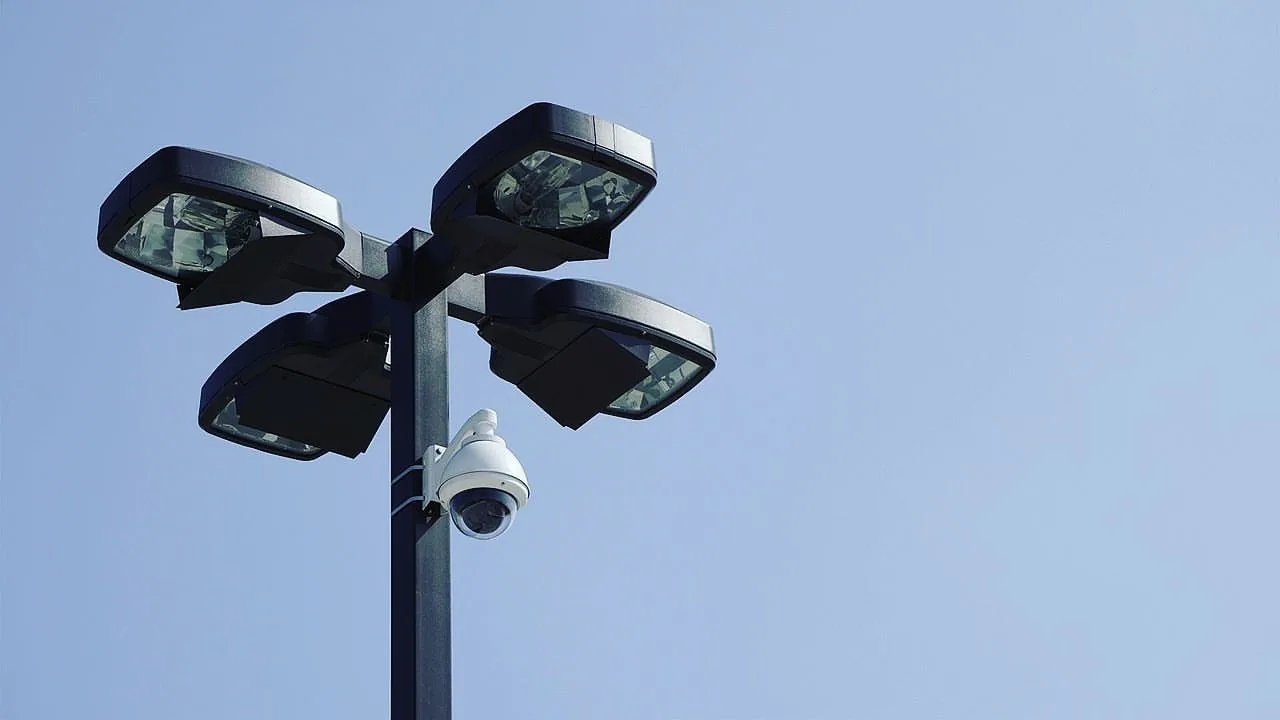 Industrial
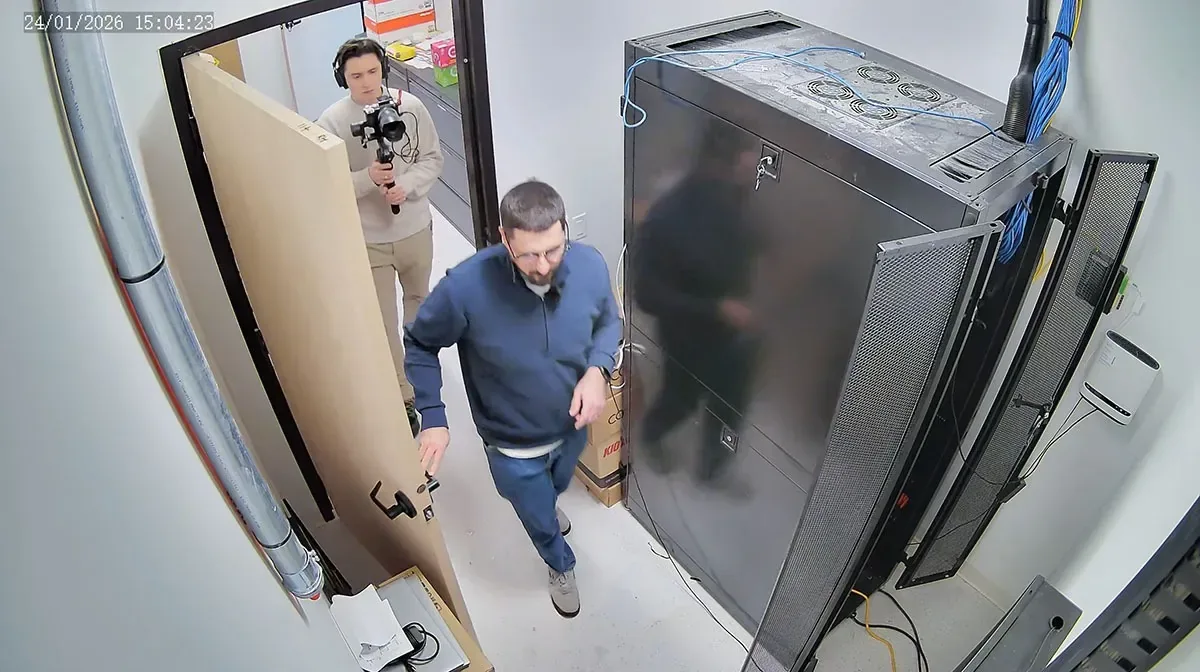 Industrial
We map lines, lanes, doors and yards with the plant manager and the safety lead, and agree what each camera must prove.
Each position gets a camera rated for its spot: washdown, heat, dust, vibration or cold, with the mount height and lens on a plan.
We work from lifts during planned downtime or off shifts, lock out where needed, and bring each area live before moving to the next.
Day and night checks on every view, analytics tuned to the floor, and a camera map, retention report and training for your team.
Installed ranges in Canadian dollars for the system sizes we see most in manufacturing and industrial plants. Camera count, cable distances, mounting heights and retention move the number. The written quote after the free site visit is fixed.
| System | Typical installed price |
|---|---|
| Small shop or single line, 8 to 12 cameras | $5,000 to $9,000 |
| Mid-size plant, 16 to 32 cameras with yard and gate | $10,000 to $24,000 |
| Large plant, 40 to 80 cameras, fibre backhaul | $26,000 to $60,000 |
| Multi-building campus | Quoted per project |
From automotive suppliers to food processors, we have installed cameras where the air is full of dust and the floor is full of forklifts, and we size everything for the environment rather than the brochure.
Straight answers on camera count, equipment, retention and cost. If yours is not here, call us and ask.
Yes, if they are specified for it. We use IP67 and IK10 housings as standard, IP69K and stainless mounts for washdown areas, heaters for freezer and exterior doors, and we mount above crane and forklift paths. Welding flash and skylights are handled with true wide dynamic range sensors.
No. We schedule lift work for planned downtime or off shifts, coordinate lockouts with your maintenance team and bring each area online before we move on.
Yes. That is one of the main reasons plants install cameras. We set longer retention on critical lines, enable bookmarks and clip export, and give HR and safety their own playback roles.
We help you write a purpose, retention and access policy, keep cameras out of private areas, leave audio off, post signage and set roles so playback is controlled. Most agreements accept cameras used for safety and security when the policy is clear.
Yes. Uniview, Axis, UniFi Protect and Verkada all support multi-site management with one login and per-site roles, and we design the network so each site records locally.
Mid-size plants with 16 to 32 cameras, a yard and a gate typically land between $10,000 and $24,000 installed. Large plants with fibre backhaul run $26,000 to $60,000. We quote a fixed price after the site visit.
We install camera systems for manufacturing and industrial plants across the Greater Toronto Area, Hamilton, Kitchener, Guelph, Barrie and Muskoka from our base in King City. Each city page covers local pricing, neighbourhoods and recent work.
The same crews, the same equipment, a different plan for each kind of building.
Tell us about the property and we will book a site visit, draw the camera layout and send a fixed written quote.